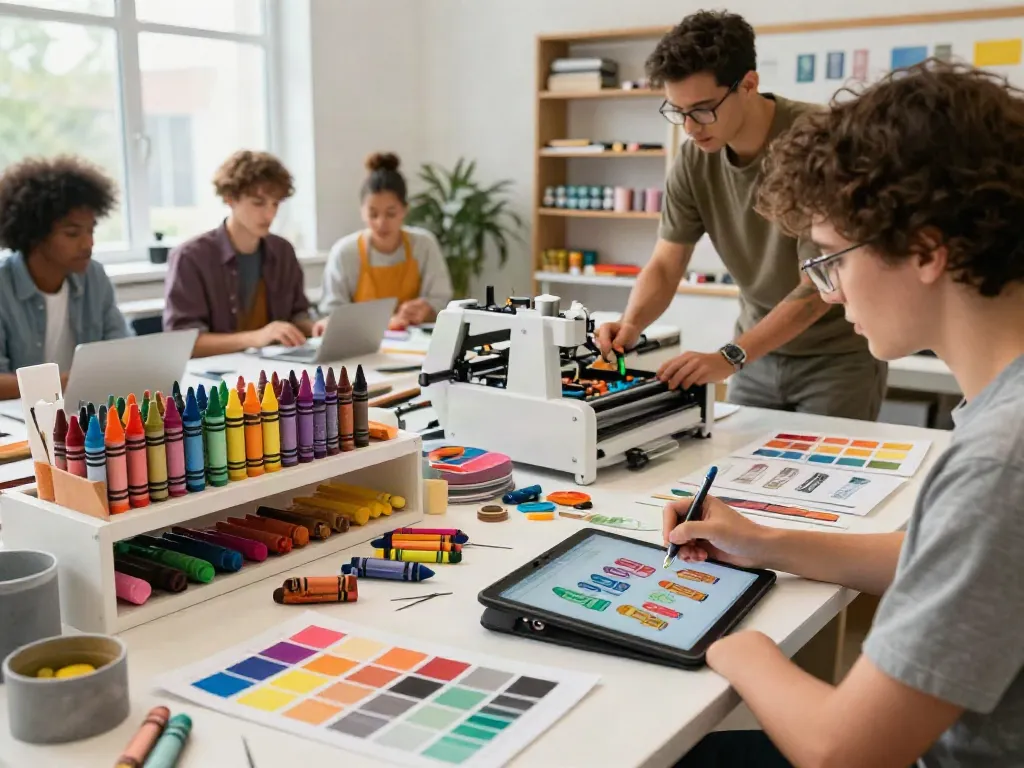
Understanding the Crayon Manufacturing Process
Crayon manufacturing is a fascinating blend of art and science, offering a glimpse into how these beloved art supplies are created. A crayon manufacturer specializes in producing various types of crayons that cater to different artistic needs, from children’s coloring to specialized fabric applications. Understanding the intricacies of this process can help retailers, educators, and artists make informed choices when selecting their art supplies.
What is a Crayon Manufacturer?
A crayon manufacturer is a company that produces crayons using various materials such as wax, plastic, and pigment. These manufacturers play a crucial role in ensuring that crayons are safe, durable, and vibrant, allowing artists of all ages to express their creativity. Companies in this field often focus on innovation and sustainability to meet the evolving demands of environmentally conscious consumers.
The Stages of Crayon Production
The crayon production process consists of multiple stages:
- Formulation: The first stage involves mixing the primary components, which typically include wax, pigments, and other additives to achieve desired colors and textures.
- Melting: The mixture is then heated until it melts into a liquid form, ready for shaping.
- Molding: Once melted, the liquid is poured into molds to create crayon shapes. This can vary from traditional sticks to more complex designs.
- Cooling: The crayons are cooled and solidified, ensuring they maintain their integrity.
- Packing: After quality checks, the crayons are packaged and prepared for distribution.
Quality Control in Crayon Manufacturing
Quality control is an essential aspect of crayon manufacturing. Manufacturers must ensure that their products meet safety standards, especially since crayons are often used by children. This includes testing for non-toxic materials, proper hardness, uniformity in color, and durability. Companies often employ rigorous quality assurance protocols to maintain consistency and customer satisfaction.
Types of Crayons Offered by Manufacturers
Exploring Different Crayon Types
Crayon manufacturers have diversified their product offerings significantly over the years. Here are some common types:
- Wax Crayons: Traditional wax crayons are economical and available in various colors, making them a staple for schools and homes.
- Plastic Crayons: These can be molded into various shapes and offer vibrant colors. They are known for being break-resistant, making them ideal for young children.
- Fabric Crayons: Designed for use on fabric, these crayons can be heat-set to ensure that colors remain bright and do not wash out.
- Beeswax Crayons: Made from natural ingredients, beeswax crayons are eco-friendly and safe for children, providing a smooth application.
Benefits of Beeswax and Fabric Crayons
Beeswax crayons offer numerous advantages over traditional wax crayons. They are non-toxic, biodegradable, and provide a rich, vibrant color palette. Additionally, they are safe for young children, who may be prone to putting art supplies in their mouths. Fabric crayons, on the other hand, are uniquely designed to withstand washing and are perfect for creative projects involving textiles, allowing artists to personalize clothing and accessories.
Customizing Crayon Shapes and Colors
One of the exciting aspects of modern crayon production is the ability to customize crayon shapes and colors. Many manufacturers offer bespoke services where businesses can create crayons that reflect their branding or specific themes. This customization opens up avenues for schools, event planners, and promotional companies to create unique art supplies that stand out in the market.
Choosing a Reliable Crayon Manufacturer
Factors to Consider When Selecting a Manufacturer
Selecting the right crayon manufacturer involves assessing several factors:
- Reputation: Research the manufacturer's reputation in the industry. Customer reviews and testimonials can provide insight into product quality and reliability.
- Certifications: Ensure the manufacturer complies with safety and quality standards recognized in your market.
- Production Capacity: Consider whether the manufacturer can meet your demand, especially if you are planning large orders.
- Innovation: Look for manufacturers that invest in research and development to offer the latest in crayon technology and sustainability practices.
Understanding Minimum Order Quantities (MOQs)
MOQs can vary significantly between crayon manufacturers. Smaller businesses or schools may want to find manufacturers that offer flexible MOQs to avoid overcommitting to inventory. Understanding the MOQ can help in budgeting and inventory management, ensuring that you are not left with excess stock that may not sell.
Comparing Costs and Quality Across Suppliers
Price is a crucial factor when selecting a crayon manufacturer, but it should not be the only consideration. It's essential to balance cost with quality. Cheaper crayons may not offer the same level of vibrancy or durability as those from reputable manufacturers. Conducting thorough comparisons and requesting samples can provide insights into which crayon suppliers offer the best value for your money.
Trends in the Crayon Industry for 2026
Emerging Technologies in Crayon Production
The crayon industry is evolving, with emerging technologies playing a significant role in production. Innovations like 3D printing technology are making it possible to create custom crayon shapes on demand, allowing manufacturers to respond quickly to market trends. Moreover, advancements in sustainable materials are driving the adoption of eco-friendly options in crayon production.
Sustainability Practices Among Crayon Manufacturers
As more consumers become environmentally conscious, crayon manufacturers are adapting sustainable practices in their production processes. This includes using biodegradable materials, reducing waste during production, and sourcing raw materials from renewable resources. Companies that prioritize sustainability not only meet growing consumer demands but also contribute positively to the environment.
Market Demand for Eco-Friendly Art Supplies
The demand for eco-friendly art supplies, including crayons, is on the rise. Parents and educators are increasingly looking for non-toxic, sustainable options for children’s art projects. Manufacturers are responding to this shift by expanding their range of environmentally safe products, ensuring they remain competitive in the marketplace.
Frequently Asked Questions About Crayon Manufacturing
What are the most popular crayon brands worldwide?
Some of the most recognized crayon brands include Crayola, Prang, and Faber-Castell. Each brand offers a range of products catering to various artistic needs and age groups.
How are fabric crayons different from regular crayons?
Fabric crayons differ from regular crayons in their formulation. They are designed to adhere to fabric and can withstand washing when heat-set with an iron. This unique property allows for permanent designs on clothing and textiles.
What should I look for in a crayon supplier?
When choosing a crayon supplier, consider their product range, quality assurance processes, customer support, and flexibility in order quantity. It's also important to assess their commitment to sustainability and safety standards.
Can I customize my crayon orders?
Many crayon manufacturers offer customization options that allow businesses to create crayons in specific shapes, colors, and even printed with logos or designs. This is a great way to create branded products for events or promotions.
What are the advantages of using beeswax crayons?
Beeswax crayons are known for their eco-friendliness and safety, making them an excellent choice for children. They provide rich colors and are less likely to break than traditional wax crayons. Additionally, beeswax crayons can be more suitable for people with allergies to synthetic materials.