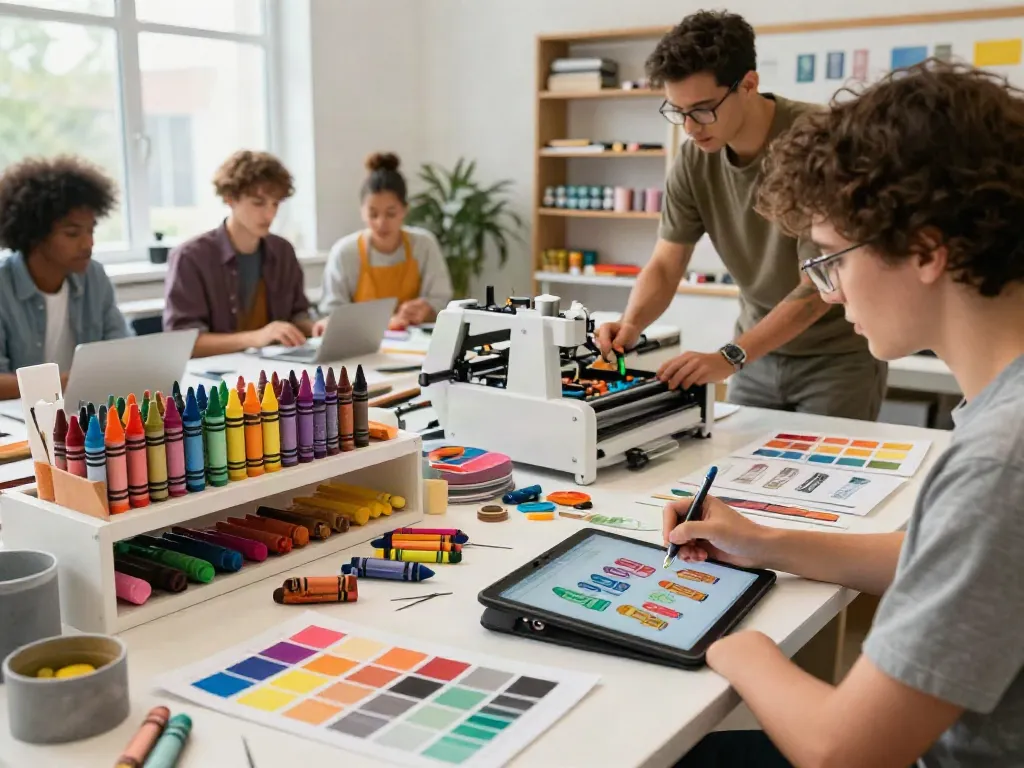
Understanding the Crayon Manufacturing Industry
The crayon manufacturing industry has evolved significantly over the years, driven by advancements in materials and an increasing demand for diverse products. With the rise of environmentally friendly options and innovations in design, crayon manufacturers have adapted to consumer preferences while maintaining cost-effectiveness and quality. As a professional in this field, it is essential to grasp the nuances of this sector, especially when considering partnerships with a reputable crayon manufacturer.
What Makes a Professional Crayon Manufacturer?
A professional crayon manufacturer distinguishes itself through several key factors, including quality control, product range, and innovation capabilities. Manufacturers in this field often adhere to strict industry standards and regulations, which ensures the safety and quality of their products. Moreover, a strong manufacturer will invest in R&D, enabling them to develop new crayon types that cater to various consumer needs—from traditional wax crayons to innovative fabric and beeswax options.
Key Types of Crayons and Their Unique Features
Crayons come in various forms, each offering unique benefits:
- Wax Crayons: Widely recognized for their affordability, wax crayons are perfect for children and beginners. They are available in a multitude of colors and are easy to work with.
- Plastic Crayons: These can be shaped into various forms, providing children with a fun and engaging way to create art. Their durability enhances the drawing experience, making them ideal for both indoor and outdoor use.
- Fabric Crayons: These specialized crayons allow for fabric drawing that can be washed without fading, making them perfect for creative projects on clothing or fabric accessories.
- Beeswax Crayons: Known for being environmentally friendly, beeswax crayons are a safer alternative and are appreciated for their vibrant colors and natural scent.
Factors Influencing Crayon Prices and Quality
The pricing of crayons is influenced by several factors, including the quality of raw materials, production processes, and supply chain logistics. High-quality pigments and environmentally friendly ingredients can increase costs, but they also enhance the final product's appeal and value. Additionally, economies of scale play a role; manufacturers that can produce in larger quantities often benefit from lower per-unit costs.
Choosing the Right Crayon Manufacturer for Your Needs
Assessing Manufacturer Capabilities and Product Range
When searching for a crayon manufacturer, it’s vital to assess their capabilities carefully. Understand the variety of crayons they offer and determine if they can cater to your specific needs, whether you seek standard wax crayons or innovative fabric options. Investigating a manufacturer's production capacity can also help ensure they can meet your demands during peak seasons.
Evaluating Certifications and Environmental Practices
In an age of increasing environmental awareness, evaluating a manufacturer’s certifications and practices is crucial. Look for manufacturers that comply with international safety standards and possess relevant environmental certifications. This not only reflects a commitment to quality but also ensures that their production processes are sustainable.
Understanding Minimum Order Quantities (MOQs) and Pricing
Minimum Order Quantities (MOQs) can vary significantly among manufacturers. Understanding these quantities is essential for budgeting and inventory management. A manufacturer that offers lower MOQs can be particularly advantageous for small businesses or startups, allowing them to enter the market without the burden of large upfront investments.
Navigating International and Local Scenarios
Pros and Cons of Domestic vs. Overseas Crayon Manufacturers
Choosing between domestic and overseas crayon manufacturers presents a unique set of advantages and challenges. Domestic manufacturers often provide quicker turnaround times and lower shipping costs. However, they may have higher production costs compared to overseas suppliers. On the other hand, overseas manufacturers can offer lower prices due to cheaper labor and materials but may present challenges in shipping times and tariffs.
Shipping and Logistics Considerations
Effective shipping and logistics play a significant role in ensuring the smooth delivery of crayon products. Understanding the logistics channels and delivery options your chosen manufacturer offers can save time and costs. Companies should also be aware of customs regulations when importing crayons from overseas.
Customs and Import Regulations for Crayon Products
Importing crayons involves navigating specific customs and regulations, which may vary by region. It’s essential to ensure that all products comply with local safety standards and regulations to avoid complications at customs. Custom declarations and tariffs can impact the total cost of imported goods, making it crucial to factor these into pricing strategies.
Maximizing Cost Savings with Reliable Partners
Negotiation Strategies for Better Pricing Deals
Negotiating effectively with crayon manufacturers can lead to significant cost savings. Establishing a relationship based on mutual respect and understanding can facilitate discussions around pricing. Be clear about your needs and push for flexible pricing agreements that accommodate bulk purchases or long-term contracts.
Leveraging Bulk Orders and Long-Term Partnerships
Engaging in bulk orders with manufacturers can unlock additional discounts and lower prices per unit. Building long-term partnerships with reliable crayon manufacturers not only fosters trust but may also result in preferential pricing and first access to new products.
Identifying Hidden Costs and Ensuring Transparency
It is vital to identify hidden costs associated with crayon manufacturing, such as additional shipping fees, packaging costs, and any potential tariffs. Ensuring transparency in pricing from the outset can prevent unexpected expenses and help maintain budgetary control.
Future Trends in the Crayon Manufacturing Sector
Innovations in Crayon Materials and Eco-Friendly Alternatives
As consumer preferences shift towards sustainability, crayon manufacturers are exploring innovative materials that offer eco-friendly alternatives without compromising quality. The development of biodegradable crayons and those made from non-toxic, natural substances is gaining traction in the industry.
Adapting to Changing Consumer Demands in 2026
The crayon market is moving towards increased customization and personalization. This trend reflects the broader consumer shift towards unique and individualized products. Manufacturers that can offer customizable options or collaborations with artists will likely be better positioned for success.
Predictions for the Market Outlook and Opportunities
The market for crayons is expected to expand as educational tools continue to emphasize creative expression. Opportunities for growth exist in the niche of environmentally friendly products and the integration of technology, such as apps that enhance the coloring experience. Keeping an eye on emerging trends will be crucial for manufacturers looking to stay ahead of the competition.