Understanding Mini Split AC Systems
As the demand for efficient and effective climate control solutions continues to rise, mini split air conditioners (AC) have emerged as a popular choice for homeowners seeking to enhance their comfort while minimizing energy costs. These systems offer a unique blend of technology and convenience, making them especially appealing in varying climates and diverse living situations. Understanding the mechanisms, advantages, and applications of mini split ACs is essential for anyone considering their installation.
What is a Mini Split AC?
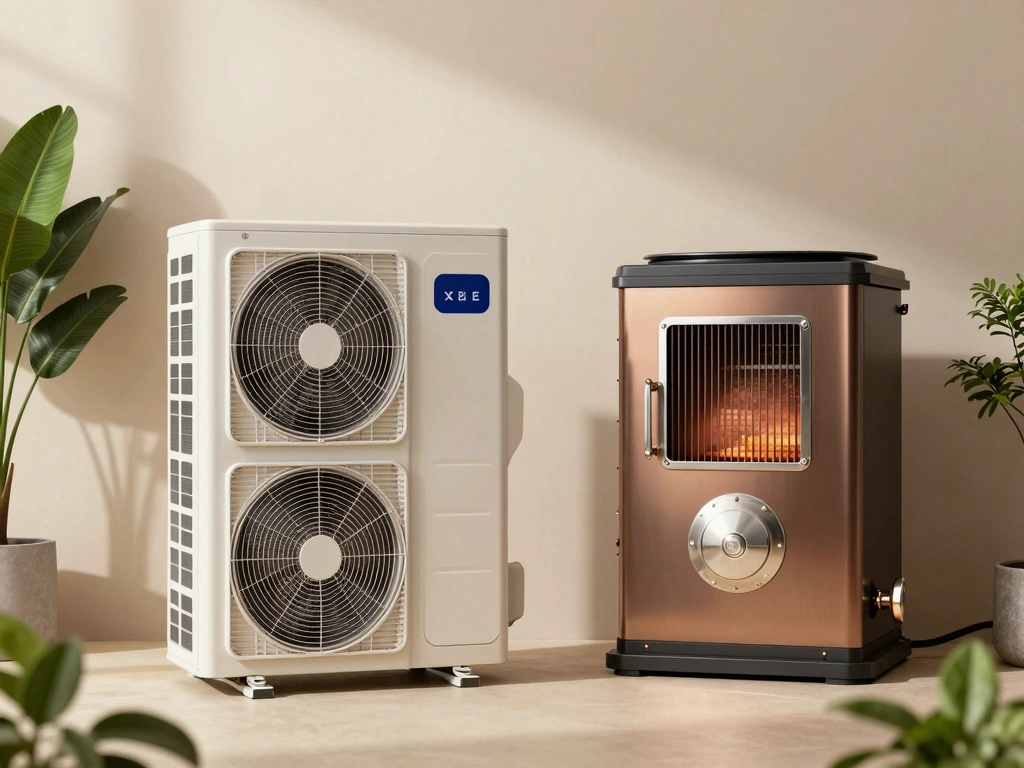
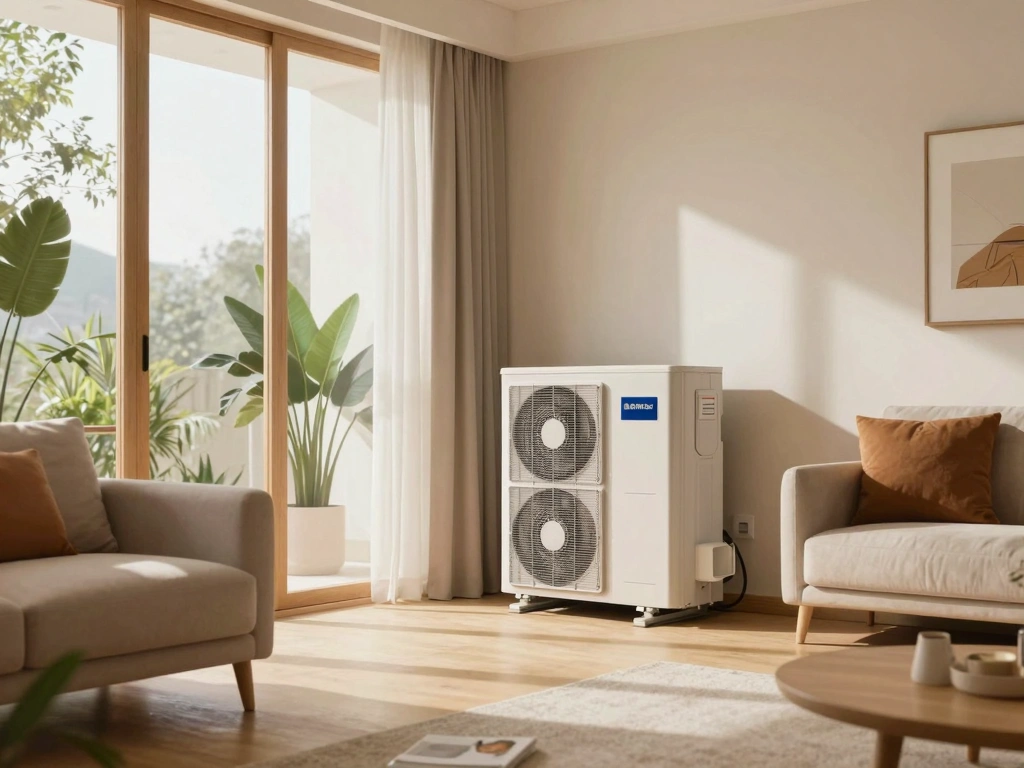
A mini split AC, also known as a ductless mini-split system, consists of two main components: an outdoor condenser unit and one or more indoor air-handling units. Unlike traditional central air systems that rely on ductwork, mini splits operate independently, allowing for customized climate control in individual rooms or zones. This flexibility makes them suitable for various spaces, from small apartments to extensive homes.
How Mini Split AC Works
Mini split AC systems utilize advanced technology to facilitate heating and cooling. The process begins with the outdoor unit absorbing heat from the outside air through refrigerant lines. This refrigerant then travels to the indoor unit, where it releases the heat, thereby cooling the air that is circulated back into the room. When heating is required, the process is reversed, enabling the system to draw heat from the outside air, even at lower temperatures. This efficient operation provides comfort year-round, making mini splits a versatile choice for any homeowner.
Advantages of Mini Split AC Over Traditional Units
- Energy Efficiency: Mini split AC systems are renowned for their high SEER (Seasonal Energy Efficiency Ratio) ratings, often surpassing traditional systems, resulting in lower energy bills.
- Flexibility in Installation: The absence of ductwork allows for more installation options in diverse living spaces, including wall-mounted, ceiling-mounted, or floor-standing units.
- Zone Control: Homeowners can customize comfort levels in different rooms, ensuring that only occupied spaces are conditioned, thus saving energy.
- Low Noise Levels: Mini split systems operate more quietly than traditional units, enhancing indoor comfort without disruptive sounds.
- No Duct Loss: As they do not require ducts, mini splits eliminate energy loss often seen in traditional systems.
Choosing the Right Mini Split AC for Your Home
When considering a mini split AC system, it's essential to evaluate several factors that can influence both performance and cost. When exploring options, mini split ac units offer a comprehensive solution to meet varying household needs.
Factors to Consider Before Buying
Before purchasing a mini split system, homeowners should assess various factors:
- BTU Rating: Calculate the required British Thermal Units (BTUs) based on the room size.
- Number of Zones: Determine how many indoor units are needed for different rooms.
- Energy Efficiency Rating: Choose models with higher SEER ratings for greater energy savings.
- Installation Location: Ensure optimal placement for both indoor and outdoor units to maximize efficiency.
- Brand Reputation: Opt for manufacturers that are known for quality and reliable customer support.
Installation Options for Mini Split AC
Mini split AC systems can be installed in several ways, depending on the home’s layout and the homeowner's preferences. Here are some common installation options:
- Wall-Mounted Units: These are the most popular installations, positioned high on walls for optimal air distribution.
- Ceiling-Mounted Units: Ideal for homes with high ceilings, these units provide uniform cooling across larger spaces.
- Floor-Mounted Units: These installations are best for rooms without suitable wall space and can be placed next to walls or beneath windows.
Common Misconceptions About Mini Split Systems
As with any home technology, misconceptions can cloud the decision-making process. Here are a few myths dispelled:
- Mini Splits Are Only for Warm Climates: Mini split systems can efficiently heat and cool spaces in various climates, even in colder regions.
- They Are Too Expensive to Install: While initial costs may be higher than traditional systems, savings on energy bills and potential tax incentives can offset this.
- They Are Difficult to Maintain: With regular filter cleaning and occasional maintenance checks, mini splits are relatively easy to maintain.
Energy Efficiency and Cost Savings
One of the primary reasons homeowners opt for mini split AC systems is their exceptional energy efficiency, which translates into significant cost savings over time.
How Mini Split AC Saves on Energy Bills
Mini split systems are designed to minimize energy consumption. By utilizing inverter technology, they adjust compressor speed based on the cooling demand, rather than turning on and off like traditional systems. This efficiency leads to lower electricity usage, which is reflected in monthly energy bills. Homeowners can expect to see savings of up to 30% compared to conventional systems.
Comparing the Cost of Mini Split AC vs. Central AC
When evaluating cooling solutions, comparing the costs of mini split ACs to central air systems is crucial. While the initial investment for a central system may seem lower, the operational costs can be significantly higher. Mini splits allow for zone cooling, which means cooling only occupied spaces, leading to considerable energy reductions over time. Moreover, installation costs can vary significantly; mini splits may incur lower installation costs due to the absence of ductwork.
Incentives for Choosing Energy-Efficient Systems
Homeowners investing in energy-efficient mini split AC units may also be eligible for various incentives, including tax credits, rebates from utility companies, and other local programs. These incentives can substantially reduce the overall cost of installation, making the switch to a mini split system even more appealing. Always check local and federal eligibility requirements to maximize these savings.
Maintenance and Troubleshooting
Maintaining your mini split AC is essential for its longevity and efficiency. A well-maintained system can provide optimal performance and keep your energy bills in check.
Essential Maintenance Tips for Your Mini Split AC
- Regular Filter Cleaning: Clean or replace filters monthly to ensure proper airflow.
- Check Drain Lines: Ensure that the condensate drain lines are clear to prevent water buildup.
- Inspect the Outdoor Unit: Keep the outdoor unit free of debris and vegetation to maintain efficient airflow.
- Schedule Professional Maintenance: Annual inspections by a licensed technician can help identify potential issues before they become serious problems.
Common Issues and How to Fix Them
Even with proper maintenance, mini split systems can occasionally encounter issues:
- Inadequate Cooling: Check for clogged filters or issues with refrigerant levels.
- Noisy Operation: Determine if debris is obstructing the fan or if there are loose components in the unit.
- Water Leakage: Ensure that drain lines are clear and that the unit is level to avoid water overflow.
When to Call a Professional Technician
While many issues can be resolved through basic troubleshooting, some require professional expertise. If you notice persistent problems, such as inconsistent temperatures, strange noises, or frequent system failures, it’s best to consult a licensed technician. They can perform comprehensive diagnostics and ensure that your system operates efficiently and safely.
The Future of Mini Split AC in Home Cooling
As technology evolves, so does the efficiency and effectiveness of mini split AC systems. The future promises exciting advancements that can further enhance performance and optimize user experience.
Upcoming Technologies in Mini Split Systems
Innovations in mini split technology are likely to include smarter integrations with home automation systems, improved energy efficiency through advanced inverter technologies, and the use of sustainable refrigerants. These developments aim to make mini splits not only more efficient but also environmentally friendly.
Predicted Trends for Mini Split AC in 2026
By 2026, mini split AC systems are expected to dominate the HVAC market, with a growing emphasis on sustainability and energy efficiency. Homeowners will increasingly prioritize HVAC solutions that not only lower energy costs but also reduce their carbon footprint. Thus, manufacturers may focus on creating systems that offer enhanced performance without compromising environmental responsibility.
The Environmental Impact of Choosing Mini Split AC
Choosing mini split AC systems can significantly benefit the environment. Their energy efficiency not only translates to lower energy consumption but also helps reduce greenhouse gas emissions. As home and building energy standards tighten, the adoption of eco-friendly appliances like mini splits is essential in combating climate change.
What are the disadvantages of a mini split?
While mini split AC systems present many benefits, they are not without drawbacks. Initial installation costs can be higher compared to traditional units, and not everyone likes the appearance of the indoor air handlers. Additionally, if not properly installed, these systems can experience inefficiencies or require more maintenance.
Is a mini split AC worth it?
For many homeowners, the advantages of a mini split AC, including energy efficiency, flexibility, and zoning capabilities, far outweigh the disadvantages. Those looking for a cost-effective and efficient cooling solution will find mini splits to be a worthwhile investment.
What's the average cost to put in a mini split?
The average cost for installing a mini split AC can vary based on several factors, including the number of zones, the complexity of the installation, and the brand of the unit. Generally, homeowners should expect to pay between $3,000 and $5,000 for a multi-zone system, with additional costs for installation. However, consumers should consider the potential energy savings when evaluating the overall investment.