1. Understanding Smart Lock Technology
In an age where technology transcends traditional security measures, قفل هوشمند stands at the forefront of home security innovation. Smart locks integrate advanced electronic and mechanical systems to provide enhanced security and convenience, making them a superior choice for homeowners looking to upgrade their access control systems. With various options available, understanding how smart locks work and the types of technology they employ can significantly influence your decision-making process.
What is a Smart Lock and How Does it Work?
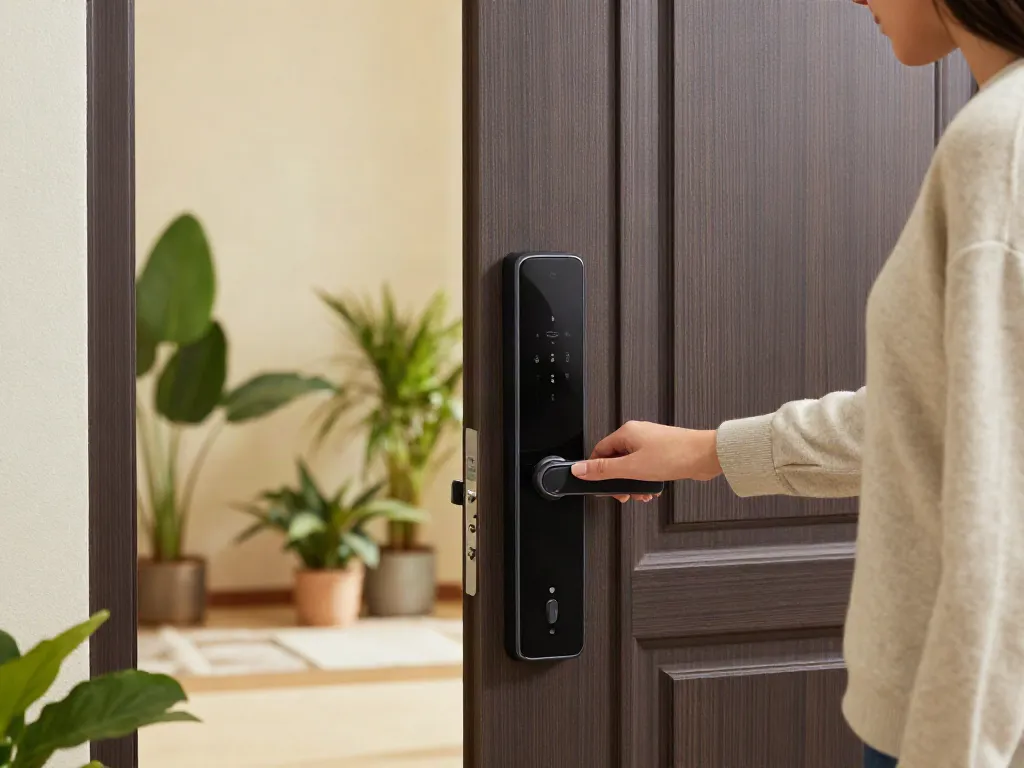
A smart lock is an electronic locking device that allows users to lock and unlock doors remotely via smartphones, keypads, or biometric identification methods. Unlike traditional locks, smart locks can operate without a physical key. They typically use Bluetooth, Wi-Fi, or Z-Wave technology to connect with mobile devices, enabling features such as remote access, unlocking doors from anywhere, and monitoring lock activity in real-time. Most smart locks also offer additional features like temporary access codes for guests, automatic locking and unlocking based on proximity, and alerts for unauthorized access attempts.
Types of Smart Locks: The Key Differences
Smart locks come in various types, each catering to different security needs and user preferences. Here are some key categories:
- Keypad Locks: Require a numeric code for access, making them user-friendly while eliminating the need for physical keys.
- Biometric Locks: Utilize fingerprint recognition for access, providing high security as fingerprints are unique to each individual.
- Bluetooth and Wi-Fi Locks: Allow remote control via smartphone apps, enabling users to unlock and monitor doors from afar.
- Smart Mortise Locks: Replace traditional locks and integrate seamlessly into door mechanisms while providing smart features.
Benefits of Using a Smart Lock in Your Home
Smart locks offer numerous advantages that enhance both security and convenience:
- Enhanced Security: Many smart locks feature advanced encryption and security protocols that are more difficult to bypass compared to traditional locking mechanisms.
- Convenience: With smartphone integration, users can easily grant access to guests and monitor lock status without needing to be physically present.
- Audit Trails: Many smart locks log entry and exit times, providing valuable insights into who accessed your home and when.
- Temporary Access: Users can create temporary codes for visitors, ensuring short-term access without compromising overall security.
2. Choosing the Right Smart Lock for Your Needs
Finding the ideal smart lock for your home requires careful consideration of various factors, including your security needs, budget, and the features that will be most beneficial for you and your family.
Assessing Your Security Requirements
Start by evaluating the security needs of your property. Consider factors such as location, previous incidents of theft or vandalism, and the overall safety of your neighborhood. This assessment will guide your choice of the most appropriate locking system, whether it be a basic keypad lock or a sophisticated biometric solution.
Smart Lock Features to Consider
When selecting a smart lock, pay attention to the following features:
- Connectivity: Determine whether you prefer a lock that connects via Bluetooth or Wi-Fi, keeping in mind the distance from your home network and the devices you'll be using.
- Battery Life: Check the expected battery life and how the lock alerts you when the battery is low.
- Integration: Look for locks that can integrate with your existing smart home system for added convenience.
- Durability: Consider the materials used in the lock to ensure it can withstand the elements if installed outdoors.
Budgeting for Your Smart Lock Investment
Smart locks range in price significantly, depending on the features and technology used. Establishing a clear budget can help narrow down your options and prevent overspending. In general, basic models tend to be more affordable, while advanced biometric locks with extensive smart capabilities can carry a higher price tag. Evaluate the trade-off between cost and the additional security benefits provided by more premium models.
3. Installation Process for Smart Locks
Installing a smart lock can be a straightforward process that can often be accomplished without professional assistance. However, it’s essential to follow proper guidelines to ensure that the lock functions correctly.
Tools Needed for Installation
Before starting the installation, gather the necessary tools, which typically include:
- Drill and drill bits
- Screwdriver
- Tape measure
- Level
- Pencil for marking
Step-by-Step Installation Guide
Follow these steps for a successful installation:
- Remove the existing lock from the door.
- Measure and mark the placement for the smart lock according to manufacturer specifications.
- Drill holes as necessary for the new lock mechanism.
- Install the smart lock by following the manufacturer's instructions, connecting any electronic components and securing all screws.
- Test the lock to ensure that it functions correctly before finishing up.
Troubleshooting Common Installation Issues
If you encounter difficulties during installation, consider the following troubleshooting tips:
- Ensure that the lock fits the door specifications and that there are no misalignments.
- Check that all screws are tightened, and connections are secure.
- Consult the user manual for specific error codes or troubleshooting guidelines.
4. Smart Lock Maintenance and Security Best Practices
To ensure the longevity and reliability of your smart lock, implementing a regular maintenance regimen is crucial. Here are essential practices to follow:
Regular Maintenance Tips for Longevity
- Clean the lock periodically to remove dust and debris that may accumulate.
- Check for any software updates through the associated mobile app and install them regularly to ensure optimal performance.
- Inspect the battery and replace it as recommended by the manufacturer.
Enhancing Your Smart Lock Security
Maximize your lock's security with these best practices:
- Utilize complicated access codes and change them periodically to prevent unauthorized access.
- Enable two-factor authentication for added security when accessing your lock remotely.
- Monitor access logs regularly to check for any suspicious activity.
What to Do in Case of a Lockout
In the event of a lockout, it’s essential to have a clear plan:
- Use backup access methods, such as a physical key if available.
- Contact a trusted locksmith who specializes in smart locks for assistance.
- Consider emergency access features that some smart locks provide to regain entry swiftly.
5. Future Trends in Smart Lock Technology
The future of smart lock technology looks promising, with innovations consistently reshaping the landscape of home security.
Innovative Features to Look Out for in 2026
As technology evolves, expect to see features like:
- Voice recognition integration for hands-free access.
- Advanced machine learning algorithms to enhance security and user experience.
- Integration with more smart home devices, such as security cameras and alarm systems.
The Role of AI in Smart Lock Functionality
Artificial intelligence is poised to revolutionize smart lock features, enabling predictive security measures that can adapt to user behavior and preferences.
Predictions for Smart Home Security Developments
By 2026, expect an increase in the number of households utilizing interconnected security systems, creating a seamless interface between different smart devices and enhancing overall home security.
How to Stay Informed on Smart Lock Innovations
Staying updated on the latest smart lock technology can be achieved through:
- Following industry blogs and tech news sites.
- Participating in home automation forums and communities.
- Attending technology expos and demonstrations.
FAQs about Smart Locks
How Does a Smart Lock Work?
A smart lock typically operates using a combination of electronic and mechanical components, responding to commands from a connected device, such as a smartphone or a keypad, to lock or unlock the door.
Can I Install a Smart Lock Myself?
Yes, many smart locks are designed for DIY installation, provided you have the right tools and follow the manufacturer's instructions carefully.
What Happens if the Battery Dies?
Most smart locks have a backup key option for emergencies, and many also send notifications when battery levels are low.
Are Smart Locks Safe from Hacking?
While no system is completely hack-proof, smart locks utilize advanced security protocols to minimize vulnerabilities, making them significantly more secure than traditional locks.
Do Smart Locks Come with Warranty and Support?
Most manufacturers offer warranties and customer support to assist with installation, troubleshooting, and maintenance of smart locks.